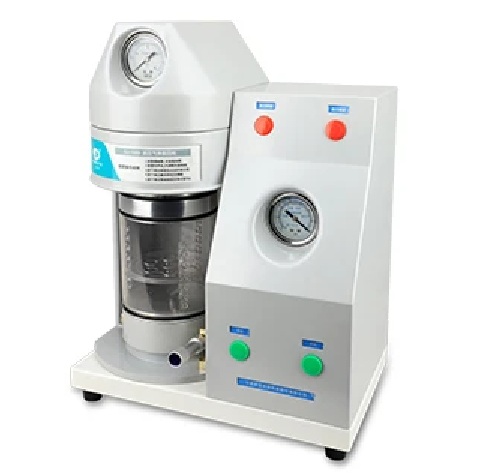
Description
“Gene gun” technology, also known as particle bombardment, is an advanced method for gene transfer. In this process, micrometer-sized gold or tungsten particles—coated with nucleic acids—are accelerated to an appropriate speed. This allows for the introduction of genes into cells, tissues, or organs, ensuring rapid, stable, and highly efficient expression and transformation. This technology is notable for its speed, ease of use, and safety.
Operating principle
A rupture membrane, composed of polyimide films of varying thicknesses, is used to regulate the pressure of a gas—in this case, helium. When the helium pressure reaches the membrane’s critical pressure, the membrane bursts, releasing a powerful shock wave. This wave propels the projectile carrier (containing the particles) downward at high speed, thereby enabling the bombardment of target cells or tissues.
Features
| Target Area | Maximum 40cm² |
| Working Pressure Range | 3-12MPa |
| Target Type
|
Animals: cell and organ culture |
| Plants: smaller whole plants, cultured cells, exosomes | |
| Yeast, bacteria, other microbial cells, chloroplasts, mitochondria | |
| Voltage | 220v/50hz |
| Air Source | Helium or nitrogen (helium is more optimized) |
| Metal Particles | Φ0.8-1.5μm; Φ1.5-3.0μm |
Included in the delivery
Main unit, vacuum pump, consumables for 1,000 shots (rupture discs rated at 3.5/4.5/7 MPa, carrier membranes, stainless steel grids, 2 vials of gold powder, 1 vial of tungsten powder)


